
Forex Trading Course Chennai – Complete Beginner Guide 2026
Introduction
Forex trading is one of the largest financial markets in the world, with trillions of dollars traded daily. Today, many people are interested in learning how the foreign exchange market works and how traders analyze price movements. Before entering any financial market, it is important to build a strong foundation through proper education and practice. If you are searching for a Forex Trading Course Chennai, understanding the basics of the Forex market is the first step toward building trading knowledge.
This guide is designed for beginners who want to understand Forex trading concepts, market structure, risk management principles, and the skills required to analyze the market responsibly.
What is Forex Trading?
Forex (Foreign Exchange) trading involves the exchange of one currency for another. Currency pairs are traded in the global market, and prices fluctuate based on economic, political, and market-related factors.
Some commonly traded currency pairs include:
- EUR/USD
- GBP/USD
- USD/JPY
- AUD/USD
- USD/CAD
The Forex market operates 24 hours a day during trading weekdays, making it one of the most accessible financial markets globally.
How Does the Forex Market Work?
Currencies are traded in pairs. When a trader buys one currency, they are simultaneously selling another currency.
For example:
EUR/USD
If the price moves from 1.1000 to 1.1050, it indicates a change in the value relationship between the Euro and the US Dollar.
Market participants include banks, financial institutions, corporations, governments, and individual traders.
Learning how market participants influence price movement is an important aspect of Forex education.
Bank for International Settlements Forex Survey
Why Do People Learn Forex Trading?
Many beginners join a Forex Trading Course Chennai to learn market structure, risk management, and technical analysis from experienced mentors.
People choose to learn Forex trading for various reasons:
- Understanding financial markets
- Developing analytical skills
- Learning price action concepts
- Understanding risk management
- Exploring global economic trends
Forex education focuses on understanding market behavior rather than relying on assumptions or emotions.
Essential Forex Trading Concepts
Currency Pairs
Forex trading involves major, minor, and exotic currency pairs.
Examples of major currency pairs include EUR/USD, GBP/USD, and USD/JPY.
These pairs generally have higher liquidity and are commonly analyzed by traders.
Bid and Ask Price
The bid price represents the price at which a market participant is willing to buy.
The ask price represents the price at which a market participant is willing to sell.
The difference between the two is known as the spread.
Pips
A pip is a standard unit used to measure price movement in the Forex market.
Knowledge of pips is essential when analyzing market fluctuations.
Understanding Candlestick Patterns
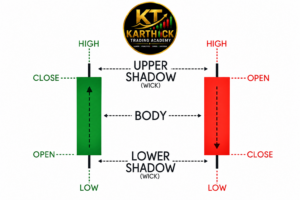
Candlestick charts are among the most widely used charting methods in Forex trading.
Each candlestick contains:
- Open Price
- Close Price
- High Price
- Low Price
A bullish candlestick generally closes above its opening price, while a bearish candlestick closes below its opening price.
Learning candlestick structures helps traders understand market sentiment and price action behavior.
What is Price Action Trading?
Price action trading involves analyzing price movements without relying solely on indicators.
Key concepts include:
- Market Structure
- Trends
- Support and Resistance
- Candlestick Analysis
Many traders study price action because it helps them understand how markets move over time.
Support and Resistance
Support and resistance are important concepts in technical analysis.
Support
Support refers to an area where buying interest has historically increased and price has often found stability.
Resistance
Conversely, resistance represents a zone where selling pressure has previously emerged and limited further price movement.
These levels are commonly used when studying market behavior.
Risk Management in Forex Trading
Risk management is one of the most important aspects of trading education.
Several principles contribute to effective risk management.
Position Sizing
Proper position sizing helps traders manage their overall market exposure.
Stop Loss
In addition, a stop-loss order helps define potential risk before entering a trade.
Trading Plan
A structured trading plan helps maintain discipline and consistency.
Capital Preservation
Another important principle is capital preservation, which focuses on protecting trading capital over the long term.
Common Mistakes Made by Beginners
Many new traders make avoidable mistakes.
Examples include:
- Trading without a plan
- Ignoring risk management
- Overtrading
- Emotional decision-making
- Lack of market education
Building knowledge and maintaining discipline can help improve the learning process.
Importance of Trading Psychology
Trading psychology refers to the emotional and mental aspects of market participation.
Common emotions include fear, greed, excitement, and frustration.
In addition, trading psychology helps traders make more objective decisions when analyzing markets.
Technical Analysis Basics
Technical analysis involves studying historical price data and chart patterns.
Popular tools include:
- Trendlines
- Support and Resistance
- Candlestick Patterns
- Moving Averages
- Market Structure Analysis
Furthermore, these analytical methods are commonly used to identify potential market conditions and trends.
Financial Market Education Resources
Demo Trading for Beginners
Before participating in live markets, many beginners choose to practice using demo accounts.
Benefits include:
- Understanding platform functionality
- Learning chart analysis
- Practicing risk management
- Developing confidence
Demo trading allows learners to gain experience in a simulated environment.
Choosing a Forex Education Program
When selecting a Forex training program, consider:
- Educational structure
- Practical learning approach
- Risk management education
- Market analysis training
- Ongoing learning support
A strong educational foundation can help beginners understand the complexities of financial markets.
Why Choose Forex Training in Chennai?
Learning Forex trading requires patience, discipline, and continuous education.
Karthick Trading Academy focuses on helping students understand:
- Forex Market Basics
- Candlestick Analysis
- Price Action Concepts
- Risk Management Principles
- Trading Psychology
- Market Structure
The goal of education is to help learners develop a structured understanding of financial markets.
Frequently Asked Questions
Is Forex Trading Legal?
Regulations vary by country. Individuals should always understand and comply with applicable laws and regulations before participating in financial markets.
How Long Does It Take to Learn Forex Trading?
Learning timelines vary depending on an individual’s commitment, practice, and educational approach.
Why is Risk Management Important?
Effective risk management helps traders understand and control potential exposure in financial markets.
Should Beginners Practice Before Trading?
Before entering live markets, beginners can benefit from practicing on a demo account to build confidence and familiarity.
Conclusion
Forex trading is a complex financial market that requires education, discipline, and continuous learning. Understanding concepts such as market structure, candlestick patterns, technical analysis, risk management, and trading psychology can help learners build a stronger foundation.
Choosing the right Forex Trading Course Chennai can provide a strong educational foundation for anyone interested in understanding the Forex market.
Individuals interested in Forex education should focus on learning market principles, developing analytical skills, and understanding the importance of risk management before making financial decisions.
Contact Karthick Trading Academy
Phone: 9176003377
Website: forextradechennai.com
Disclaimer: This content is provided for educational purposes only and should not be considered financial, investment, or trading advice. Forex trading involves risk, and individuals should conduct their own research and understand the risks involved before participating in financial markets.